Why Digital Transformation is Unavoidable for Modern Businesses

Key Takeaways
Digital transformation helps businesses improve efficiency, scalability, and customer experiences.
Technologies like AI, cloud computing, automation, and analytics are driving modern business innovation.
Businesses that adopt digital transformation can reduce operational costs and improve productivity.
Customer-focused digital strategies help improve engagement, loyalty, and long-term growth.
Data-driven decision-making enables organizations to respond faster to changing market demands.
Digital transformation is essential for businesses looking to stay competitive in a technology-driven economy.
Introduction
Businesses today operate in a rapidly evolving digital environment where customer expectations, technology, and market competition continue to change faster than ever. Companies that rely on outdated systems and manual operations often struggle with productivity, customer engagement, scalability, and innovation.
Digital transformation services help organizations modernize operations, improve efficiency, and create seamless customer experiences using advanced technologies like artificial intelligence, cloud computing, automation, analytics, and data-driven strategies.
From startups to enterprises, businesses across industries are investing in digital transformation to remain competitive, agile, and future-ready.
What Are Digital Transformation Services?
Digital transformation services involve the integration of digital technologies into business operations, workflows, customer experiences, and organizational processes.
The goal is not just technology adoption. It is about reshaping how businesses operate, communicate, deliver services, and create long-term value.
These services help organizations:
Modernize legacy systems
Automate repetitive workflows
Improve operational efficiency
Enhance customer experiences
Increase scalability and flexibility
Make data-driven decisions
Accelerate innovation
Digital transformation creates a strong foundation for sustainable growth in a digitally connected world.
Why Businesses Need Digital Transformation
Modern businesses face increasing pressure to adapt to changing customer behavior, digital-first markets, and technological advancements. Companies that fail to innovate often experience reduced efficiency, slower growth, and declining customer engagement.
Digital transformation helps businesses:
Improve productivity through automation
Reduce operational costs
Deliver personalized customer experiences
Increase business agility
Enable remote collaboration
Strengthen cybersecurity
Improve decision-making using analytics
Accelerate product and service innovation
Organizations that embrace digital transformation are better positioned to respond to market changes and customer demands quickly.
Core Digital Transformation Services
1. Cloud Transformation
Cloud transformation helps businesses migrate systems, applications, and data to secure cloud environments for better scalability, accessibility, and performance.
Benefits include:
Reduced infrastructure costs
Improved collaboration
Faster deployment
Enhanced data security
Greater operational flexibility
Cloud platforms also support remote work environments and enterprise scalability.
2. Business Process Automation
Automation reduces manual tasks and improves operational efficiency across departments.
Businesses use automation for:
Customer support workflows
HR and payroll processes
Marketing campaigns
Invoice processing
Sales and CRM management
Data synchronization
Automation improves productivity while reducing human errors and operational delays.
3. Artificial Intelligence Integration
AI-powered solutions help organizations analyze data, personalize customer experiences, and automate intelligent decision-making.
AI applications include:
Chatbots and virtual assistants
Predictive analytics
Recommendation engines
AI-powered reporting
Customer behavior analysis
Intelligent workflow automation
AI enables businesses to operate smarter and respond faster to market demands.
4. Data Analytics and Business Intelligence
Modern organizations generate large amounts of data every day. Analytics solutions help businesses convert raw data into actionable insights.
Analytics supports:
Performance tracking
Customer insights
Sales forecasting
Market trend analysis
Operational optimization
Strategic decision-making
Data-driven organizations can make faster and more accurate business decisions.
5. Customer Experience Transformation
Digital transformation improves how businesses interact with customers across websites, mobile apps, social media, and digital platforms.
This includes:
Personalized user experiences
Omnichannel communication
Faster support systems
Mobile optimization
Self-service portals
AI-powered customer engagement
Better customer experiences increase satisfaction, loyalty, and retention.
6. Legacy System Modernization
Many organizations still rely on outdated systems that slow down operations and limit scalability.
Legacy modernization helps businesses:
Upgrade outdated software
Improve system integration
Enhance security
Increase operational efficiency
Reduce maintenance costs
Modern systems provide better flexibility, performance, and innovation opportunities.
Technologies Driving Digital Transformation
Several advanced technologies are shaping digital transformation across industries.
Artificial Intelligence (AI)
AI automates decision-making, enhances personalization, and improves operational efficiency.
Cloud Computing
Cloud platforms provide scalable infrastructure, secure storage, and remote accessibility.
Internet of Things (IoT)
IoT devices collect real-time data that improves operational monitoring and automation.
Big Data Analytics
Analytics tools help organizations understand trends, customer behavior, and performance metrics.
Robotic Process Automation (RPA)
RPA automates repetitive business processes with minimal human intervention.
Cybersecurity Solutions
Modern cybersecurity systems protect business data, applications, and digital infrastructure.
Industries Benefiting from Digital Transformation
Digital transformation impacts nearly every industry.
Healthcare
Hospitals and healthcare providers use digital systems for telemedicine, patient management, and AI-assisted diagnostics.
Finance
Banks and financial institutions implement digital payments, AI fraud detection, and mobile banking solutions.
Retail and Ecommerce
Retail businesses improve customer experiences through personalized recommendations, digital payments, and inventory automation.
Manufacturing
Manufacturers use IoT, automation, and predictive maintenance to improve operational efficiency.
Education
Educational institutions adopt digital learning platforms, virtual classrooms, and cloud collaboration tools.
Logistics and Supply Chain
Businesses improve shipment tracking, warehouse automation, and operational visibility using digital technologies.
Benefits of Digital Transformation Services
Improved Operational Efficiency
Automation and digital workflows reduce delays and increase productivity.
Better Customer Experiences
Personalized digital interactions improve customer engagement and satisfaction.
Faster Business Growth
Scalable digital systems support expansion and innovation.
Data-Driven Decision Making
Analytics helps businesses make smarter strategic decisions.
Increased Agility
Digital businesses adapt faster to market changes and evolving customer demands.
Enhanced Collaboration
Cloud-based tools improve communication and team productivity.
Competitive Advantage
Digitally transformed organizations remain more innovative and competitive.
Challenges in Digital Transformation
While digital transformation offers significant benefits, businesses may also face challenges such as:
Resistance to organizational change
Legacy system limitations
Cybersecurity risks
Budget constraints
Lack of digital expertise
Complex system integrations
A strategic transformation roadmap helps businesses overcome these challenges effectively.
How to Build a Successful Digital Transformation Strategy
Define Clear Business Goals
Identify operational challenges, customer expectations, and growth objectives.
Assess Existing Infrastructure
Evaluate current systems, workflows, and digital capabilities.
Prioritize Customer Experience
Focus on creating seamless and personalized digital interactions.
Adopt Scalable Technologies
Choose flexible solutions that support future business growth.
Invest in Employee Training
Help teams adapt to new technologies and workflows.
Use Data and Analytics
Track KPIs and performance metrics to optimize transformation strategies.
Partner With Digital Experts
Experienced digital transformation partners can streamline implementation and reduce risks.
The Future of Digital Transformation
Digital transformation continues to evolve with advancements in AI, generative AI, automation, blockchain, and cloud technologies.
Businesses are increasingly focusing on:
AI-driven automation
Predictive analytics
Hyper-personalized customer experiences
Intelligent business operations
Remote and hybrid work solutions
Sustainable digital innovation
Organizations that invest in digital transformation today are preparing for long-term success in the future digital economy.
Conclusion
Digital transformation services help businesses modernize operations, improve customer experiences, and build scalable, future-ready systems. By integrating technologies like AI, cloud computing, automation, and analytics, organizations can improve efficiency, innovation, and competitiveness in a rapidly changing digital world.
Whether you are a startup, growing company, or enterprise organization, digital transformation is no longer optional. It is a strategic necessity for sustainable business growth and long-term success.
Author Bio
Sandesh Gupta – CEO, High-On Innovation
Sandesh Gupta is the CEO of High-On Innovation, a technology and digital growth company focused on helping businesses accelerate innovation through digital transformation, AI-driven solutions, automation, and modern digital strategies. With extensive experience in business growth, digital ecosystems, and emerging technologies, he works closely with startups, enterprises, and growing brands to build scalable, future-ready digital solutions that drive measurable business impact.
Latest Market Trends
May 20, 2026
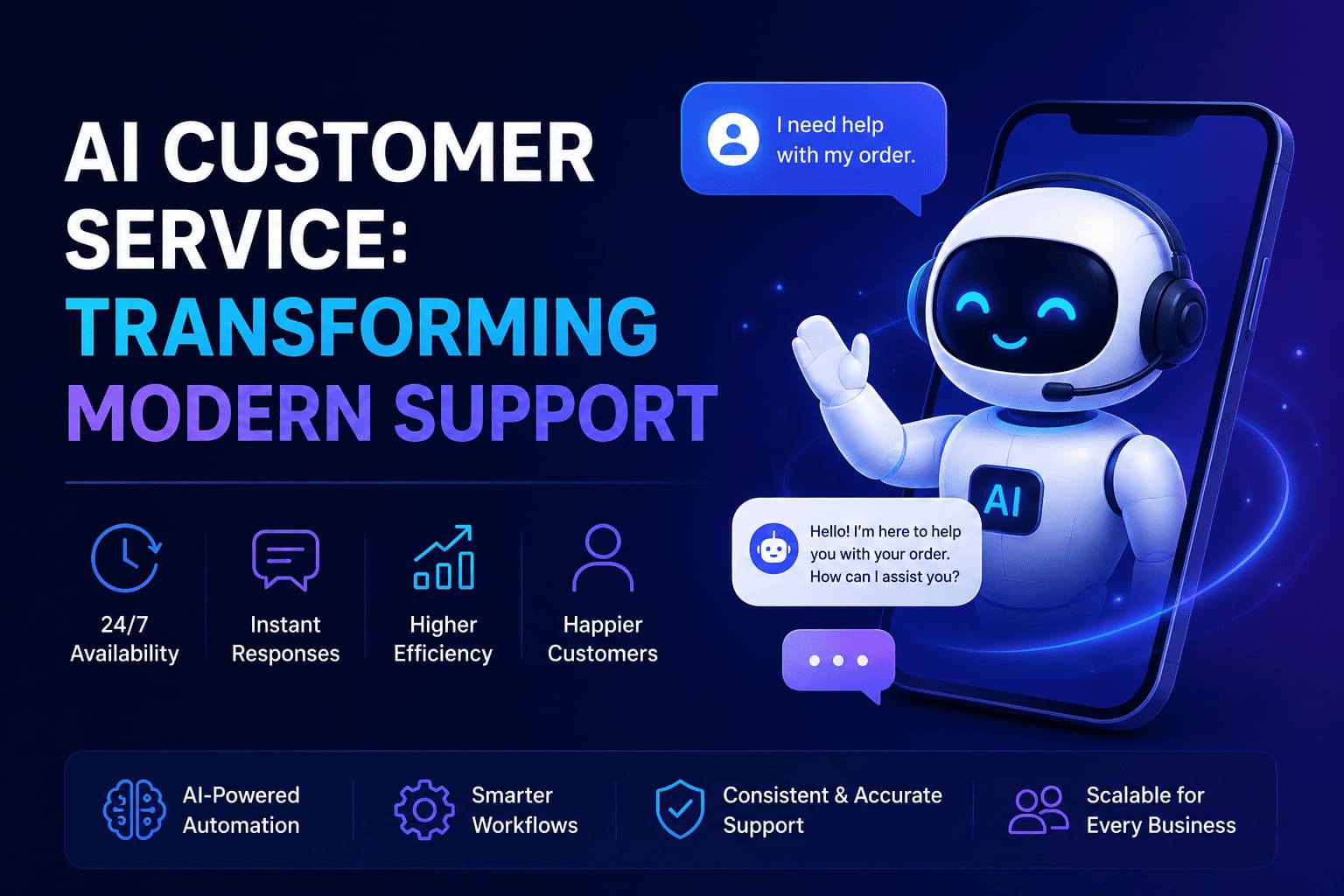
AI Customer Service: Transforming Modern Support
By Sandesh Gupta 📅 May 5, 2026 ⏱ 15 min read
Customer support breaks down as businesses scale. This guide covers how AI customer service platforms work, why adoption is accelerating, and how intelligent automation solutions are helping SaaS companies, ecommerce brands, and enterprises reduce costs, improve response times, and build support operations that scale without proportional headcount growth.
May 5, 2026
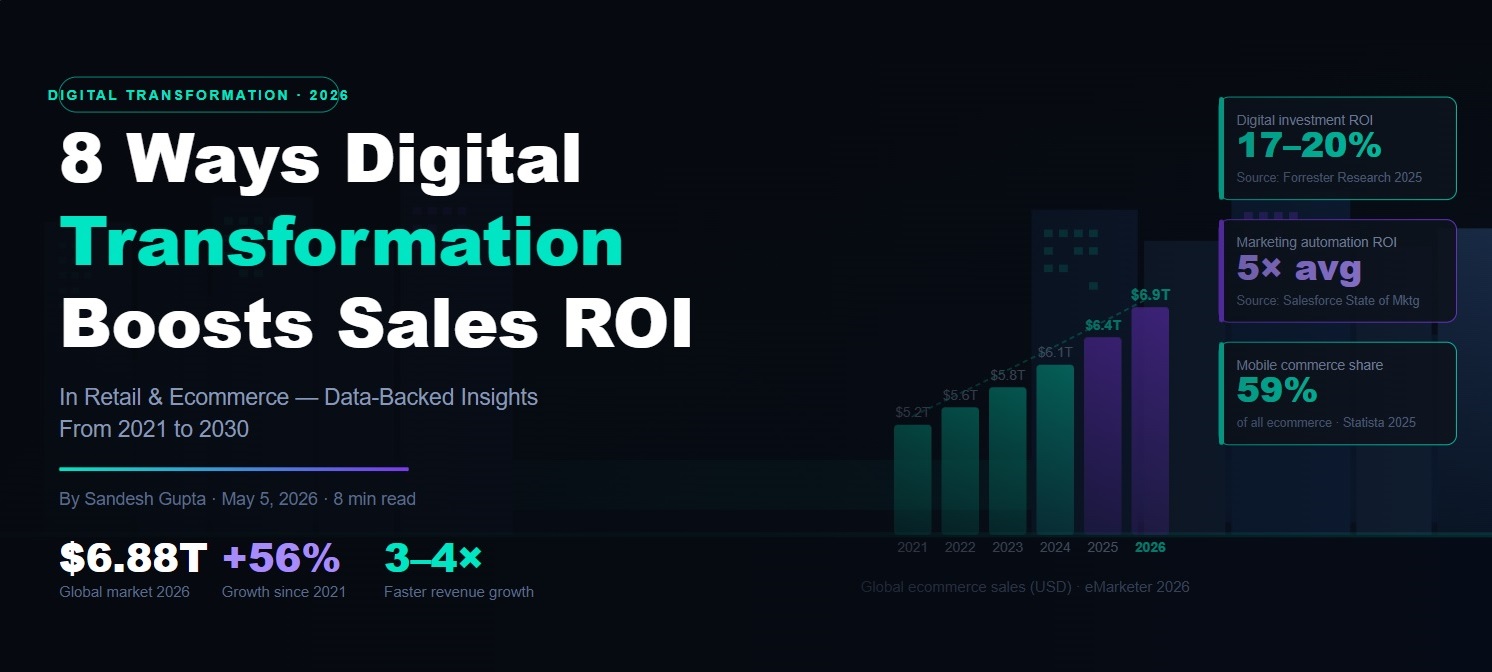
8 Ways Digital Transformation Is Boosting Sales ROI in Retail & Ecommerce
By Sandesh Gupta 📅 May 5, 2026 ⏱ 10 min read
A data-driven deep dive into the global ecommerce growth surge, the ROI gap between transformed and non-transformed retailers, and the strategic steps every business must take in 2026.

Apr 20, 2026
AI Automation vs Hiring in 2026: Which Strategy Helps Growing Businesses Scale Faster?
Key Takeaways
AI automation helps businesses scale faster by reducing repetitive manual work and improving operational efficiency.
Hiring is still essential for creativity, strategy, leadership, and customer relationships.
The smartest growth strategy in 2026 is not AI vs hiring, but AI + human talent working together.
Businesses that automate routine processes can reduce costs, improve speed, and free teams for innovation.
Companies that balance automation with strategic hiring build more scalable and resilient operations.
Popular Post
AI Customer Service: Transforming Modern Support
By Sandesh Gupta 📅 May 5, 2026 ⏱ 15 min read
Customer support breaks down as businesses scale. This guide covers how AI customer service platforms work, why adoption is accelerating, and how intelligent automation solutions are helping SaaS companies, ecommerce brands, and enterprises reduce costs, improve response times, and build support operations that scale without proportional headcount growth.
8 Ways Digital Transformation Is Boosting Sales ROI in Retail & Ecommerce
By Sandesh Gupta 📅 May 5, 2026 ⏱ 10 min read
A data-driven deep dive into the global ecommerce growth surge, the ROI gap between transformed and non-transformed retailers, and the strategic steps every business must take in 2026.
AI Automation vs Hiring in 2026: Which Strategy Helps Growing Businesses Scale Faster?
Key Takeaways
AI automation helps businesses scale faster by reducing repetitive manual work and improving operational efficiency.
Hiring is still essential for creativity, strategy, leadership, and customer relationships.
The smartest growth strategy in 2026 is not AI vs hiring, but AI + human talent working together.
Businesses that automate routine processes can reduce costs, improve speed, and free teams for innovation.
Companies that balance automation with strategic hiring build more scalable and resilient operations.

Digital Transformation Trends 2026: What Forward-Thinking Businesses Must Prepare?
2026 is not just another year in digital transformation it marks a turning point. For years, businesses experimented with AI, cloud, and automation. But now, the conversation has shifted from “What’s possible?” to “What delivers real results?”
Digital transformation in 2026 is no longer about adopting technology. It’s about embedding intelligence into the core of your business.
At High On Innovation (HOI), we see this shift clearlyorganizations are moving from transformation projects to continuous digital evolution. Let’s explore the key trends shaping this new era.